Inflammatory skin conditions
Psoriasis
Psoriasis is a chronic, immune mediated skin condition causing red, scaly patches, itching, and skin pain.
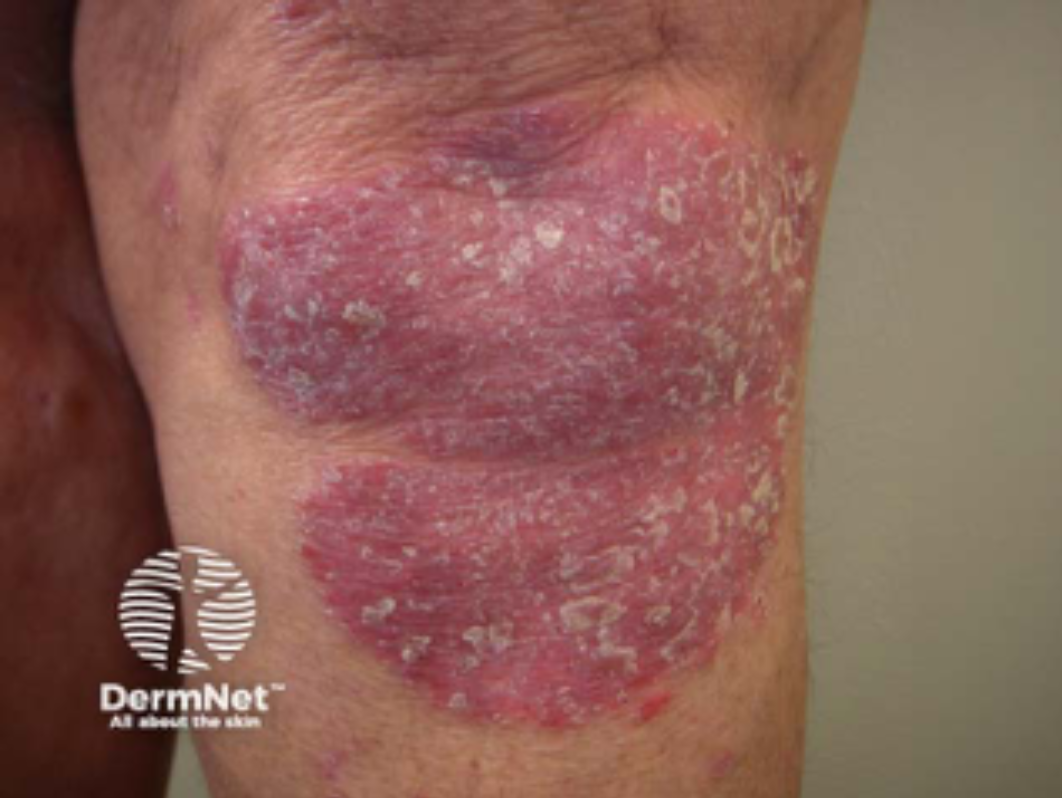
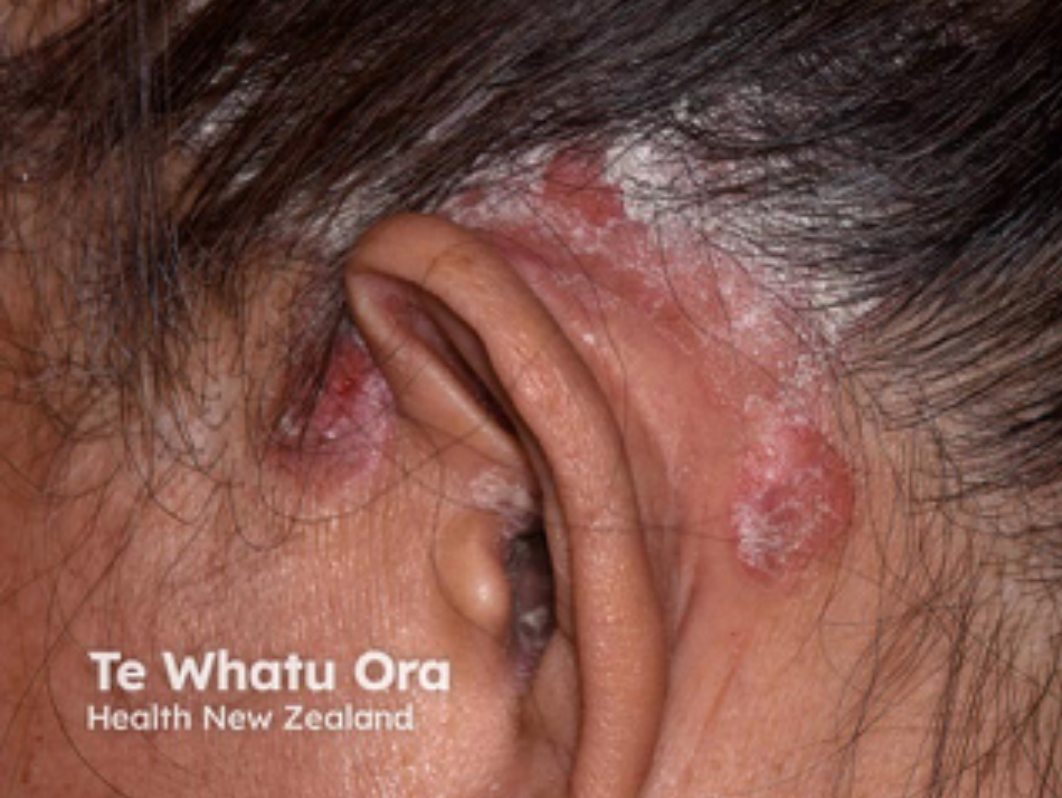
Areas commonly affected include elbows, knees, scalp, and lower back, though it can affect the whole body and nails. It's not contagious but onset and flares can be triggered by stress, infections, skin injuries, and certain medications.
There is no cure for psoriasis, but treatments like topical creams, light therapy (phototherapy), and oral/injected medications are available to manage symptoms.
Key symptoms
Red, Scaly Patches: Thickened skin with silvery-white scales, commonly on knees, elbows, scalp, and lower back.
Itchiness & Soreness: Patches can be intensely itchy, painful, or burning.
Skin Issues: Dry, cracked skin that may bleed.
Nail Changes: Thickening, pitting, or discoloration of nails.
Psoriatic Arthritis: About 25% of people experience painful, swollen joints.
Common triggers
Infections: Strep throat, HIV, or other viral infections.
Stress: Severe emotional stress.
Skin injury: Cuts, burns, or insect bites (Koebner phenomenon).
Medications: Lithium, beta-blockers, rapid withdrawal of corticosteroids.
Lifestyle: Smoking, excessive alcohol.
Types of psoriasis
Plaque psoriasis: Most common, causing the classic red, scaly patches.
Inverse psoriasis: Smooth, red patches in skin folds.
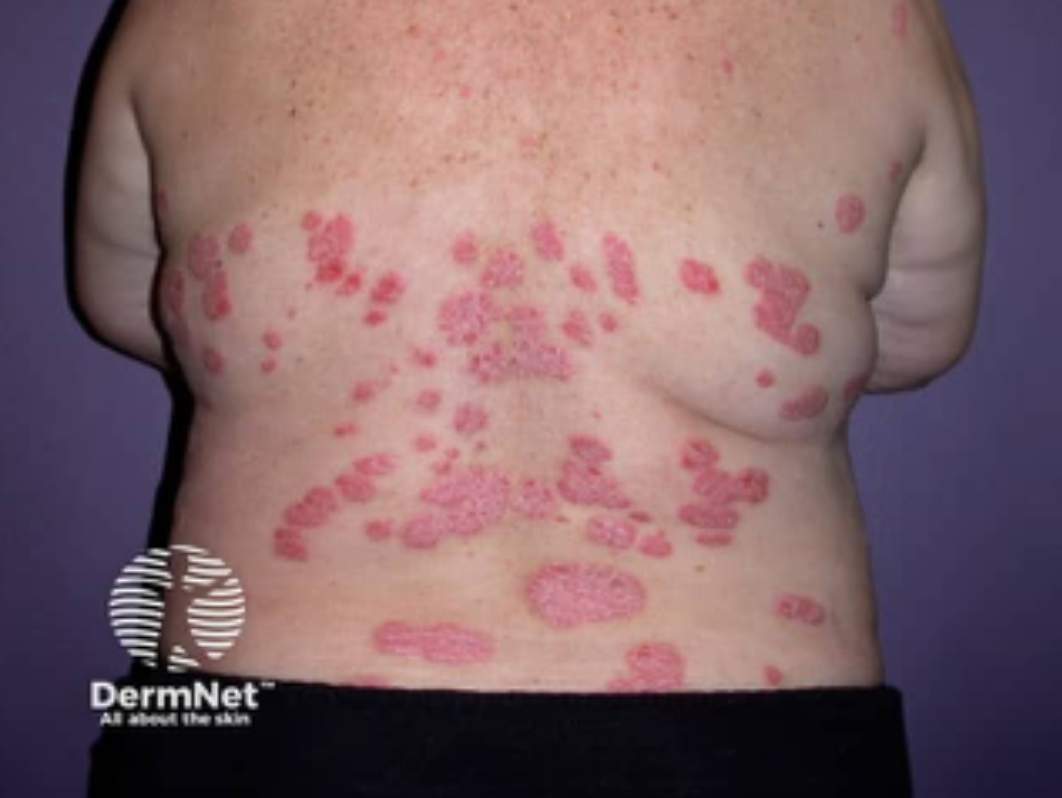
Guttate psoriasis: Small, red, rain drop like spots. These plaques can be diffuse and affect large areas of the trunk, abdomen, arms and legs.
Pustular psoriasis: Pus-filled bumps often occur on the palms and soles of the hands and feet.
Erythrodermic psoriasis: Severe redness and scaling over large body areas.
Diagnosis
Psoriasis can often be diagnosed by the clinical presentation and history. To rule out other dermatological conditions a small skin biopsy can be taken and sent to the pathologist, this will provide a definitive diagnose of the condition.
Management & treatment
Topical Treatments: Corticosteroids, vitamin D analogues, salicylic acid and emollients can be useful in reducing symptoms.
Phototherapy: Controlled exposure to UV light can help to slow down the overactive production of skill cells.
Systemic Medications: Oral drugs (methotrexate, cyclosporine) or injections (biologics) for severe cases. These treatments can be life changing and require clinical management by a specialist Dermatologist.
Lifestyle: Managing stress, avoiding triggers.
For further information on psoriasis please head to the Psoriasis Australia website.
Back to top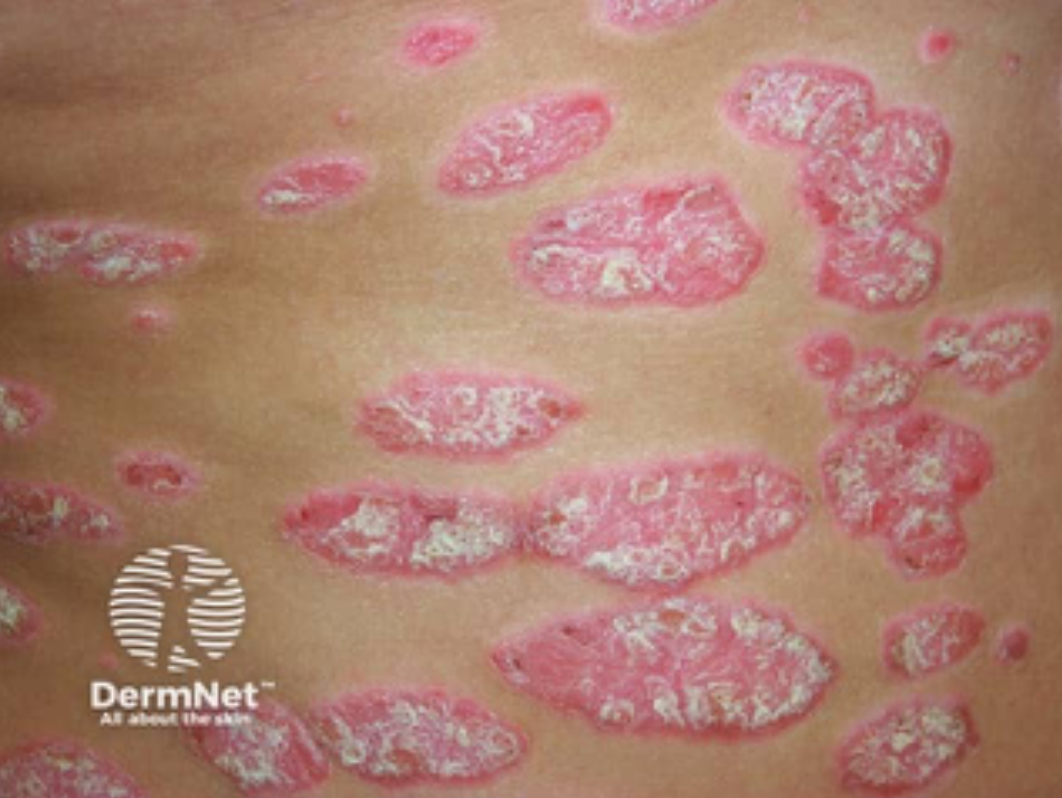
Atopic dermatitis (eczema)
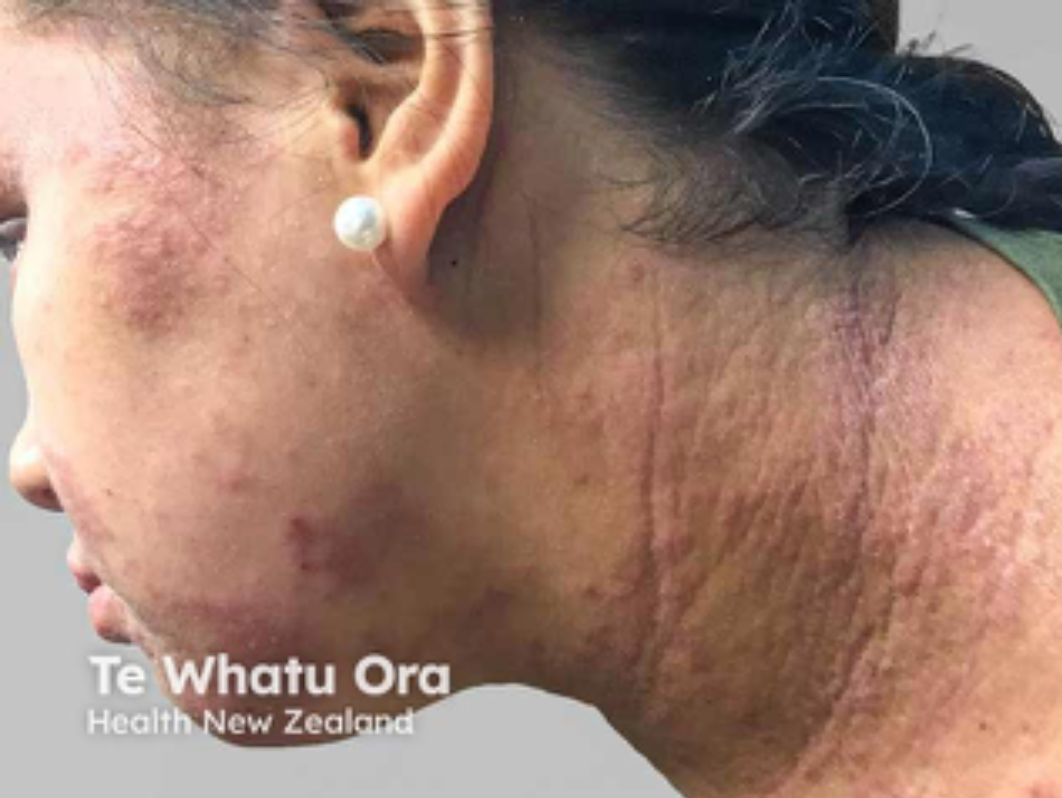
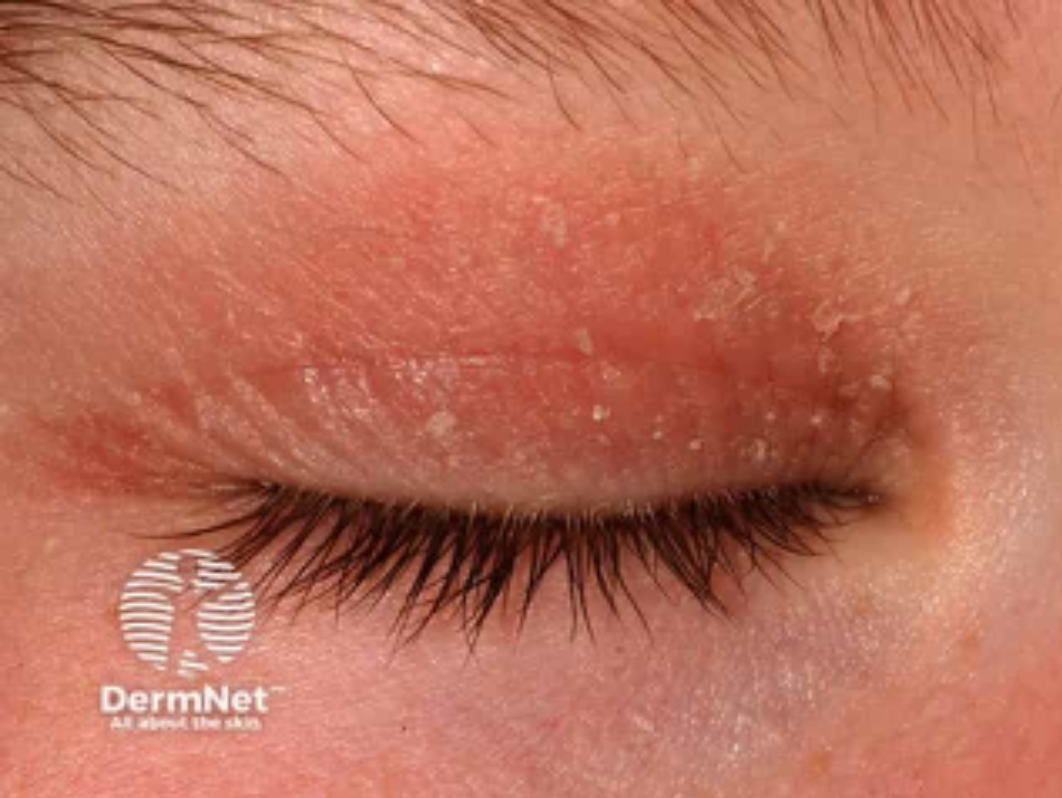
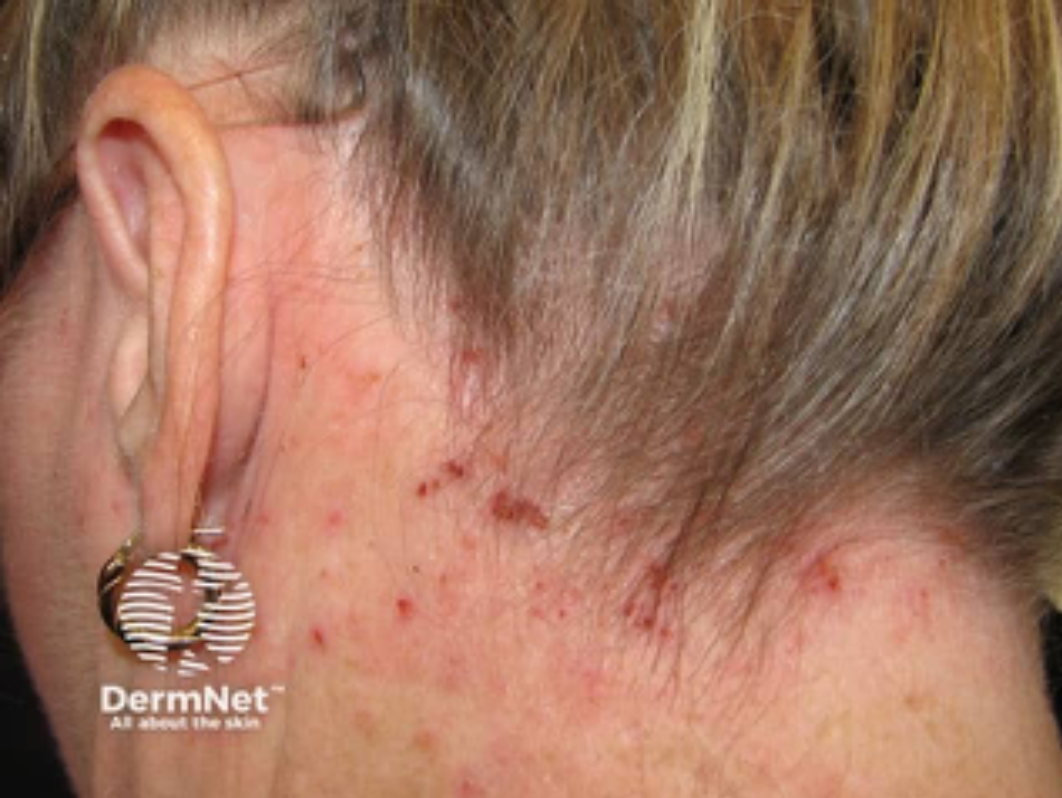
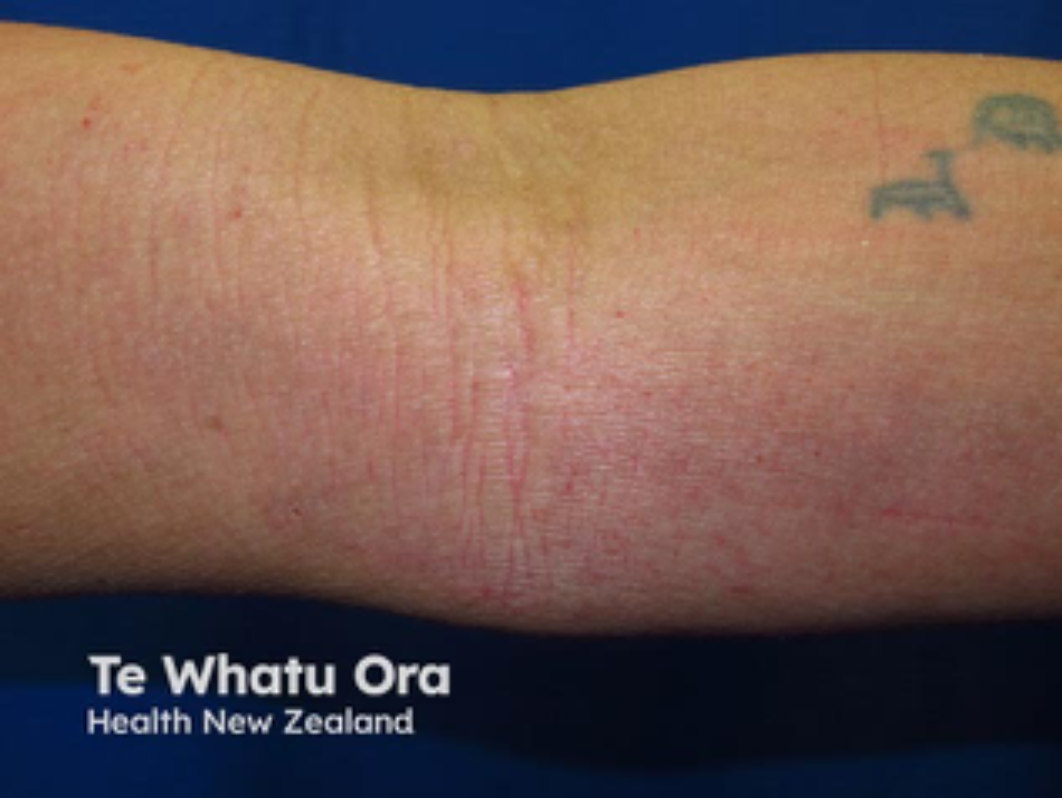
Atopic dermatitis is the most common inflammatory skin condition worldwide, frequently occurring in individuals with a tendency towards atopic conditions such as food allergies, hay fever, and asthma.
It is characterised by dry, itchy skin and commonly affects the flexures (inner surfaces of joints), as well as the face, hands, and other areas of the body. The condition often begins in infancy, with more than 15% of this population experiencing its lifelong impact.
The barrier function of the skin is compromised in people experiencing symptoms of eczema. In approximately 50% of people suffering moderate to severe eczema, there is a genetic mutation impacting the expression of the filaggrin gene. Filaggrin is extremely important in forming an effective skin barrier, it helps to create a strong ‘envelope’ around the cells (corneocytes) in the upper part of the epidermis. When this gene is not giving out the correct instructions, the result is in an ineffective barrier, contributing to loss of hydration from within the skin (trans epidermal water loss), dysregulation of the pH in the skin and increased risk of skin infections.
Key symptoms
Erythema (red/irritated): There are inflammatory processes happening in the skin. When it is irritated, dry, sore and itchy the skin will become pink/red.
Pruritus (itch): Because the barrier is not effective, areas affected by eczema will become very itchy. This can be exacerbated by certain environmental factors including exposure to allergens (cats, dogs, pollens, grass etc.) or weather (dry air/low humidity).
Dry skin: People with eczema have very dry skin. The skin barrier is not functioning effectively, this means that the internal moisturising mechanisms that our skin would normally use are not doing the job.
Infections: Evidence suggests that due to the altered pH of the skin in people with eczema, they are often heavily colonised with a bacteria called Staphylococcus Aureus. Other pathogens including fungus, yeasts and other bacteria are also able to infiltrate the impaired barrier, resulting in frequent opportunistic infections of the skin.
Common triggers
Exposure to allergens: Dogs, cats, grass, pollens, dust mites and food allergies.
Environmental factors: Dry environments (low humidity) can exacerbate eczema as it will further dry out the skin. Very cold or damp environments can make eczema more resistant to treatment, whilst some people find that their eczema symptoms improve during the summer months.
Stress: Physical, mental or social stress can trigger a flare of eczema. Sometimes a viral illness will cause an increase in eczema symptoms.
Nutrition + Lifestyle: A balanced diet that is low in inflammatory foods & beverages (sugar, alcohol and highly processed foods) in conjunction with a healthy lifestyle (regular exercise, no smoking/vaping) will work to reduce systemic inflammation and therefore improve outcomes with eczema management.
Management and treatment
Skin Care: Frequent and consistent use of topical skincare to help maintain the skin barrier is essential. Avoiding cleansing products that foam up helps to support the barrier function of the skin. Low irritant, fragrance free, sodium-laurel sulphate (SLS) free products are a mainstay of managing eczema. The use of topical emollients will help to re-establish the barrier function that people with eczema struggle with. This often means multiple applications of topical moisturisers/ointments throughout the day.
Topical Medications: The use of topical medications including steroids and calcineurin inhibitors will help to stop the cycle of inflammatory cells that are driving some symptoms of eczema. These are prescribed by an authorised health care provider and should be used as directed.
Systemic Medications: In some cases, antibiotics are necessary to help treat skin infections associated with eczema. These medications can be prescribed by your primary care provider, and may include antihistamines, steroids, anti-inflammatory agents, immunosuppresisive agents, Janus Kinase (JAK) inhibitors or biological agents.*
Unfortunately for some people the symptoms of atopic dermatitis can become so severe that specialist intervention and systemic treatment is needed. Biologic medications are extremely sophisticated drugs that break the inflammatory cycle driving the symptoms of severe chronic atopic dermatitis. These medications are very expensive and can only be prescribed by a Dermatologist. Your primary care provider will need to refer you to a Dermatologist for assessment if your eczema is this severe.
* Wargon, O. (2023). A-Z of Skin: Atopic Dermatitis. The Australasian College of Dermatologists. https://www.dermcoll.edu.au/atoz/atopic-dermatitis/For further information on atopic dermatitis please head to the Eczema Support Australia website.
Back to top