

Acne
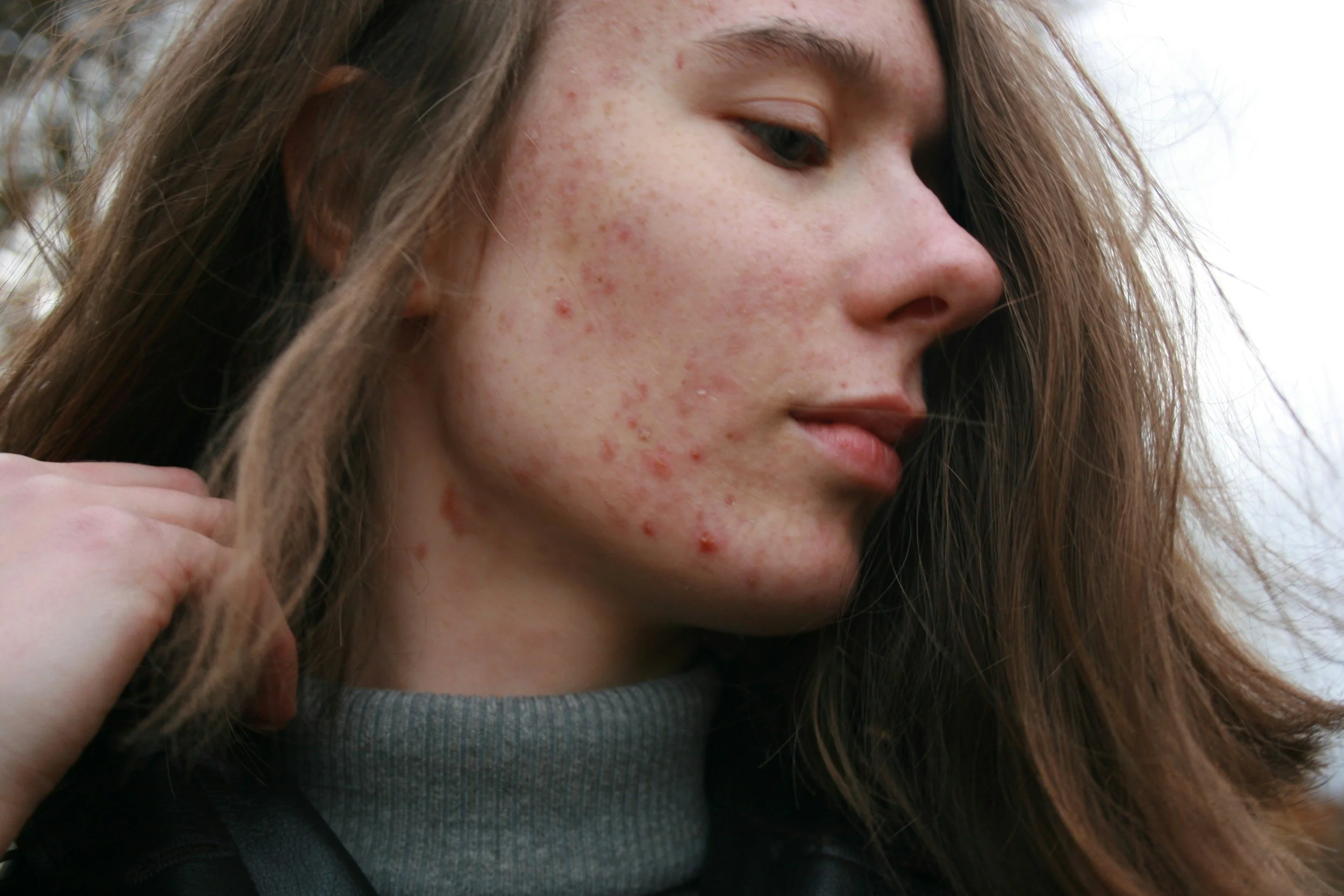
Acne is a common condition affecting both males and females of all ethnicities.
It is common in adolescents and young adults with up to 85% of people between 16–18 years of age impacted by the condition.*
Acne is a chronic skin condition involving sebaceous glands and hair follicles, and is often triggered by hormone changes during puberty. Hair follicles become blocked with keratin debris (dead skin cells), which causes inflammation and results in the formation of a pustule or papule. Additionally there may be some bacterial load on the skin that causes localised infection and increases the amount of inflammation in the area. Acne can affect the face, neck, scalp, shoulders, chest and back.
The symptoms of acne can range from mild to severe, some people will have un-inflamed blackheads and whiteheads whilst others may have large, inflamed cysts. There are many factors that can contribute to acne severity and lots of lifestyle related changes that can improve symptoms.
* Dr Amanda Oakley, Dermatologist, Hamilton, New Zealand, 2014. Previous contributor: Minor amendment by Ian Coulson, Dermatologist, 2024. Edited by the DermNet content department. https://dermnetnz.org/topics/acne-treatmentKey symptoms
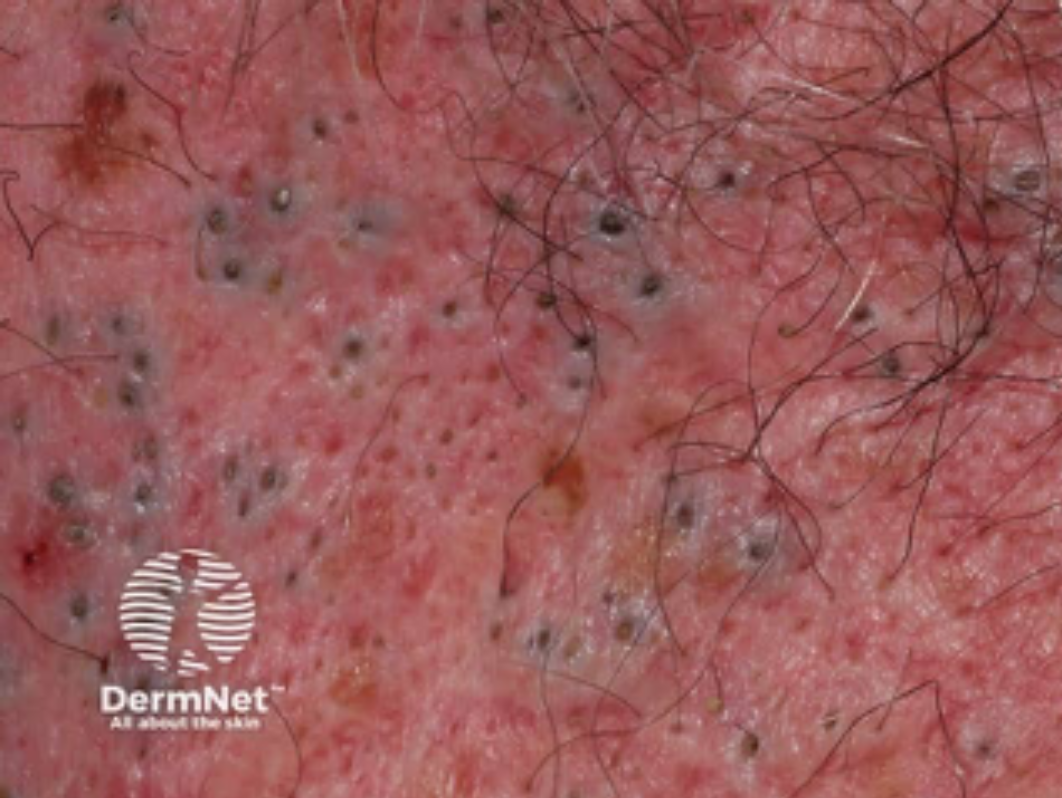
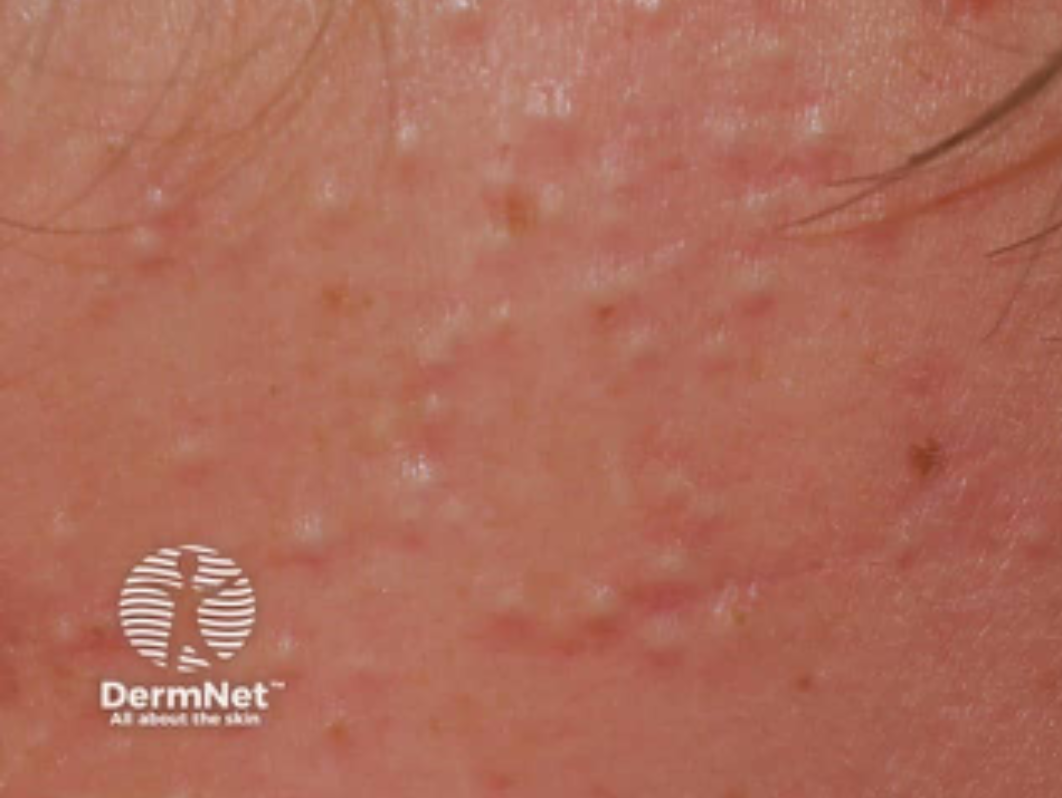
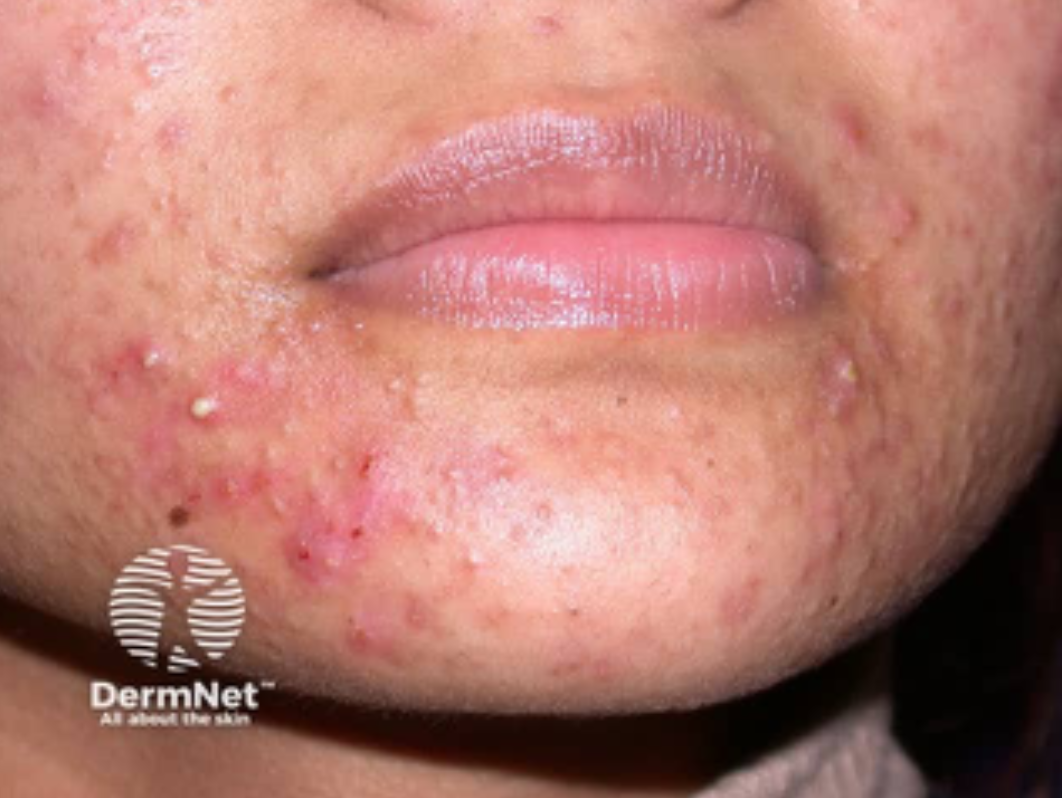
Comedones
Pain and stiffness in the joints may increase over weeks/months/years.
Activities of daily life (walking/running/gardening/opening jars) become increasingly painful and difficult with the progression of osteoarthritic changes.
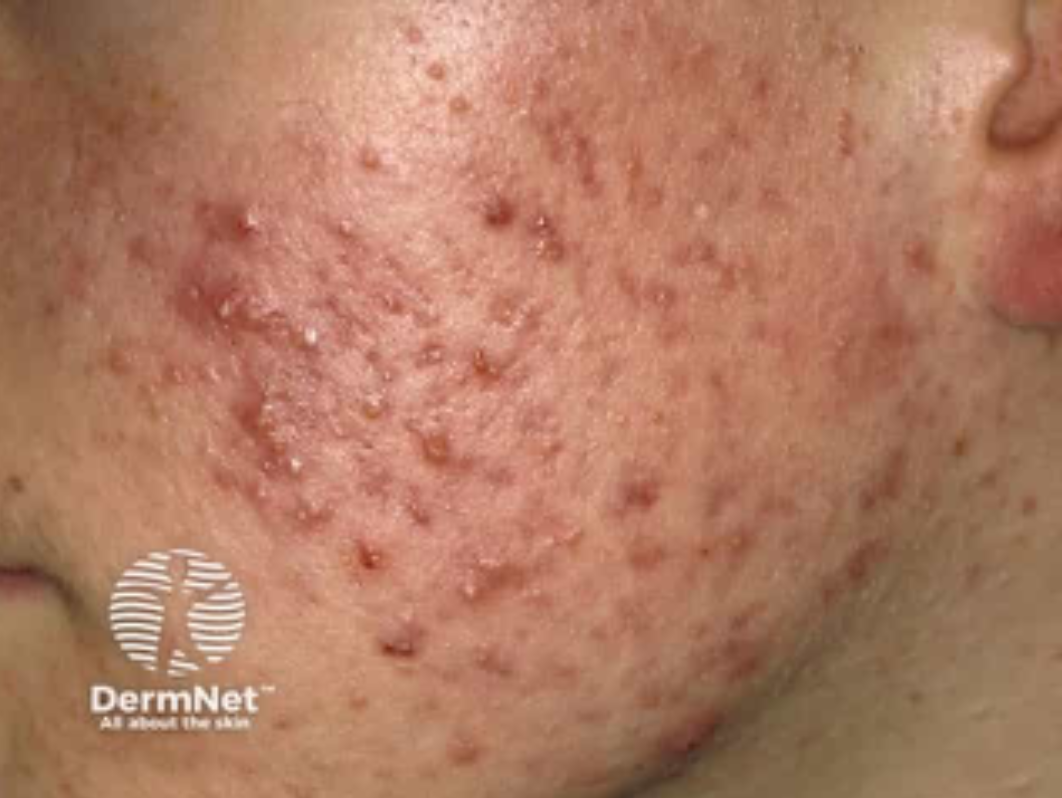
Inflamed pustules and papules
Pustules are small red, inflamed, pus filled lesions that may or may not have a ‘white head’ on the surface of the lesion. They can be tender and slightly painful.
Nodules and pseudocysts
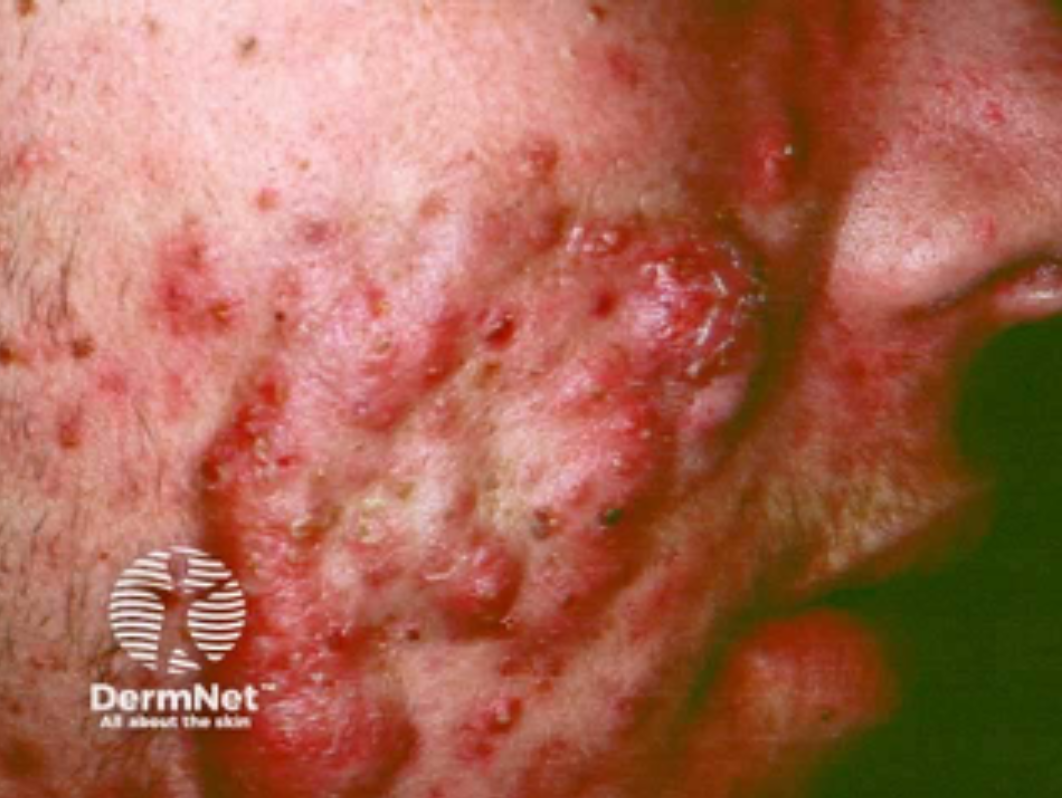
These deeper lesions can be very painful, chronic and inflamed. Pseudocysts and nodules generally occur in more severe acne presentations, they can be present on the face, neck, shoulders, trunk and chest. These types of lesions can be solitary or multiple, they can fluctuate between being firm, inflamed and tender.
In extreme cases, people can have interconnecting abscesses and draining sinuses, which may indicate a severe variant of acne called Acne Conglobata or may also be a condition called Hidradenitis Suppurativa. These conditions require diagnosis and input from a specialist Dermatologist, your primary care provider can provide you with a referral if indicated.
Images sourced from https://dermnetnz.org/images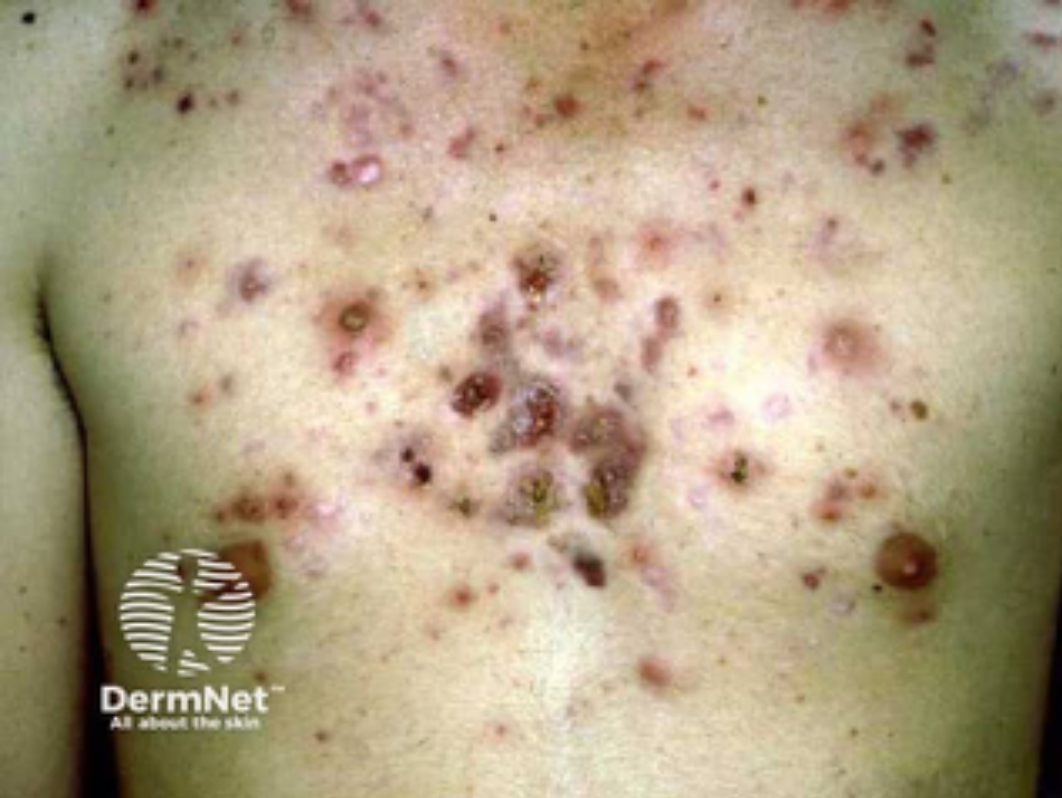
Common triggers
Hormones: When hormones change with puberty the oil (sebaceous) glands in the hair follicles of the skin are stimulated and become enlarged. The sebum secreted from these glands is loaded with free fatty acids, cholesterol, glycerides and other compounds. Testosterone, 5-testosterone (DHT) and progesterone are known to increase the activity of the sebaceous unit.
Some hormone related factors may influence the severity and chronic nature of acne. Conditions such as Polycystic Ovarian Syndrome and Insulin resistance may increase the risk, chronic nature and severity of acne. Additionally the use of Anabolic steroids is known to result in moderate to severe cystic acne as it significantly increases the size and activity of the sebaceous unit.
Bacteria: C Acnes bacteria (Cutibacterium acnes) and Staphylococcus epidermis are skin flora that increase at puberty. These bacteria can contribute to the activity of acne in some patients, with increased inflammation the result of the bacteria penetrating the skin surrounding the hair follicle/pore.
Diet: There is evidence that links certain foods with increased prevalence of acne. Excessive dairy products, meat protein, sugar, zinc deficiency and iodine oversupply in the diet can all make pustular acne worse.
There are several studies that have found benefits from a low inflammatory diet (low sugar, protein from non-animal sources, low GI) helps to support decreased symptoms of acne. Smoking and vaping will also exacerbate acne symptoms.
Genetic factors: Genetic factors contribute to the development of acne. Individuals with one or more first-degree relatives affected by acne are at increased risk of developing the condition.
Environment: Certain cosmetic products can cause occlusions in the hair follicle and exacerbate existing acne. Products that contain lanolin, vegetable oils, petrolatum, butyl stearate, lauryl alcohol and oleic acid can be problematic. High humidity environments and pressure from things like headbands can cause occlusions and irritation that contribute to acne.
Medications: There are certain medications that can aggravate acne. These medications include: oral corticosteroids, contraceptive agents including the Provera Depo, Implanon, Mirena and some oral contraceptives. Additionally Anabolic steroids such as Danazol, Stanozolol and Nandrolone can result in severe acne.
Management and treatment
Effective management of acne depends on the severity of the condition.
Mild acne:
Topical skincare and some dietary changes may be enough to improve mild acne.
Topical retinoids, salicylic acid cleansers, benzoyl peroxide and oil free moisturiser used as directed by a health care practitioner will help to decrease the bacterial load on the skin, reduce the overproduction of sebum, reduce keratin debris on the surface of the skin and ensure that the skin is not occluded with the moisturiser.
Minimise the use of cosmetics, oils and occlusive topical products on the skin.
Additionally, the use of blue LED light may help to reduce the bacterial load on the skin. Since this typically requires multiple sessions per week, it can become a significant financial and time commitment.
Moderate acne:
In addition to the topical skincare used to treat mild acne, there may be an indication to start taking some systemic medications to reduce the burden of acne. This may involve topical medications such as Winlevi (Clascoterone 1% cream), oral antibiotics (Doxycycline, Minocycline, Tetracycline), oral antiandrogens (Spironolatone) and the oral contraceptive pill (females only). If the acne does not respond to these treatments, specialist intervention is recommended with a Dermatologist.
Severe acne:
If treatment protocols for mild and moderate acne have been trialled for an appropriate amount of time and the condition remains severe, a Dermatologist may decide to prescribe oral Isotretinoin. This is a potent medication that has a significant side effect profile, in many cases it is curative for cystic or severe acne.
Some of the side effects include dry mucous membranes (eyes, nose, lips), severe photosensitivity, sexual disorders, depression, psychosis and suicidal ideation. It is noteworthy to mention that there is a significant psychological burden associated with acne before commencing treatment. Some studies have shown that symptoms of depression and anxiety improve significantly with Isotretinoin use, and it is important for a mental health assessment to be performed before commencing on this medication. Additionally, Isotretinoin is a potent teratogen. This means that it can have significant and devastating impacts on foetal development if pregnancy occurs when taking this drug. For this reason, it is very important that females are tested for pregnancy before commencing and that they remain on contraception whilst taking the drug.